
Which dock should you choose?
Choosing the right dock depends on several factors, including the characteristics of your waterfront, water depth, the number of watercraft you want to accommodate, your budget and how you plan to use the dock.
Before choosing a dock, it is important to assess your location and needs. Here are the main factors to consider, along with the characteristics of the two main options available: floating docks and stationary docks.
Questions to ask yourself before choosing a dock
Several factors can influence which type of dock is right for your property. Before making your choice, consider the following questions:
- Where do you plan to install your dock?
- How deep is the water, and what are the conditions of the lake or riverbed?
- How many watercraft will the dock need to accommodate?
- Will the dock be used for other watercraft or activities, such as kayaks, pedal boats, personal watercraft (PWC) or swimming?
- Does the water level fluctuate significantly throughout the season?
- What are the conditions on your waterway? Is there significant boat traffic or frequent strong winds and storms?
- What budget do you have for your dock?
- How much time are you willing to spend on dock maintenance?
- Do you plan to install the dock yourself or hire a professional?
- Will the dock primarily be used for mooring, or would you also like it to serve as a gathering space?
Floating dock
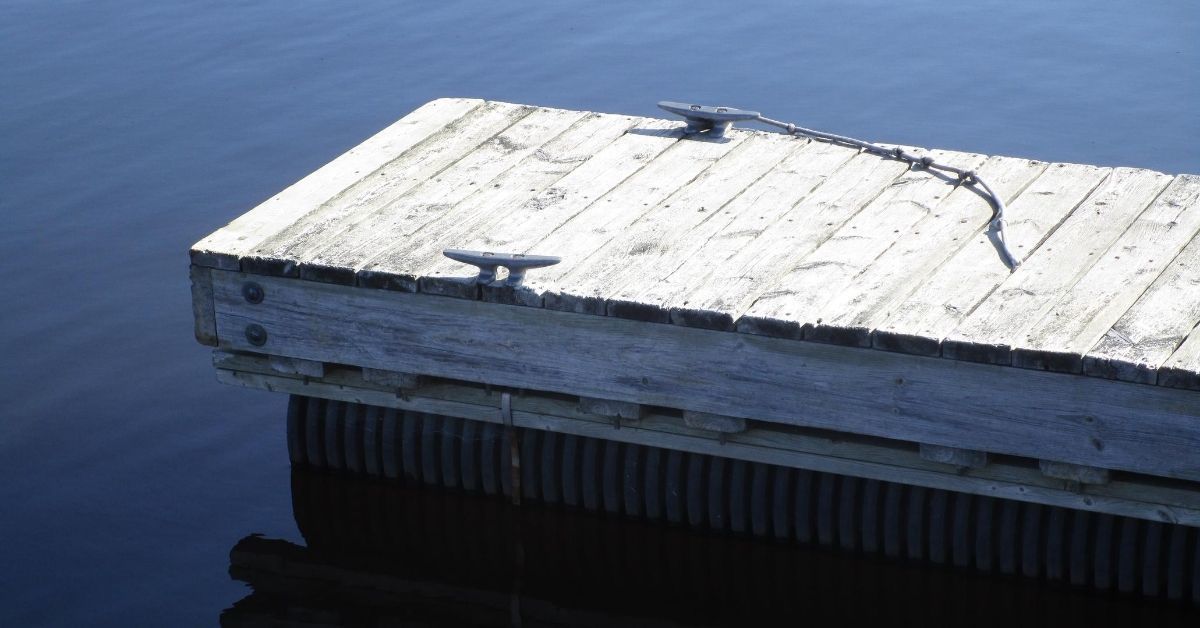
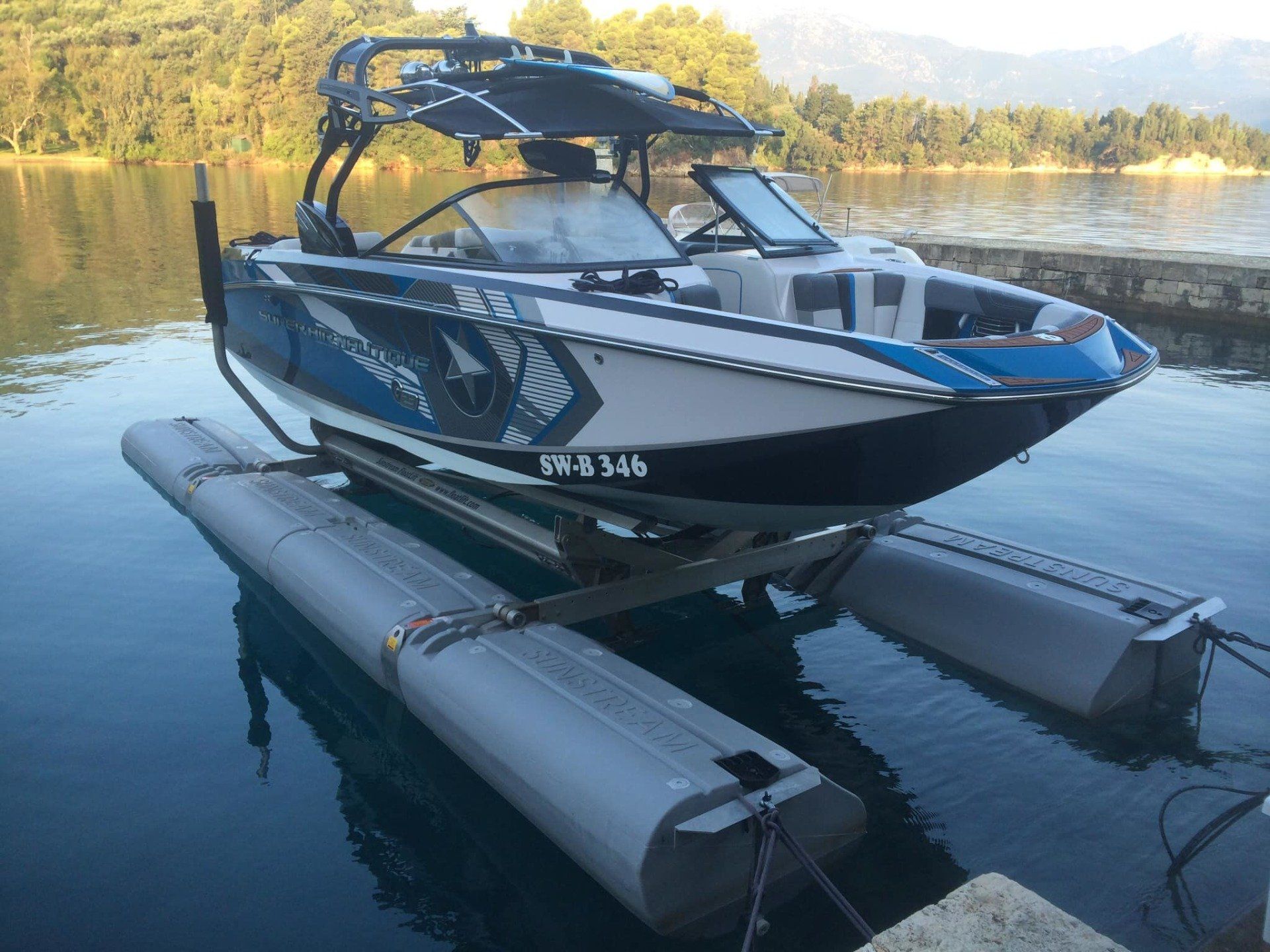
Floating docks rest on a flotation system that allows them to follow changes in water levels. They are generally made up of sections that can be assembled in different configurations and sizes.
Their ability to adapt to changing water levels makes floating docks an interesting option for waterways where water levels fluctuate significantly or where water depth makes the installation of a stationary dock more difficult.
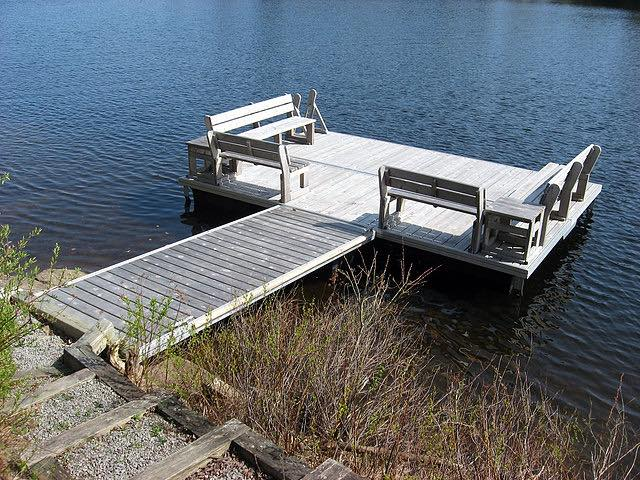
Floating docks are also versatile and can be adapted to different uses, whether for mooring a watercraft, accessing the water or enjoying time by the waterfront. Their configuration can be adjusted according to your needs and the characteristics of your location.

Stationary dock
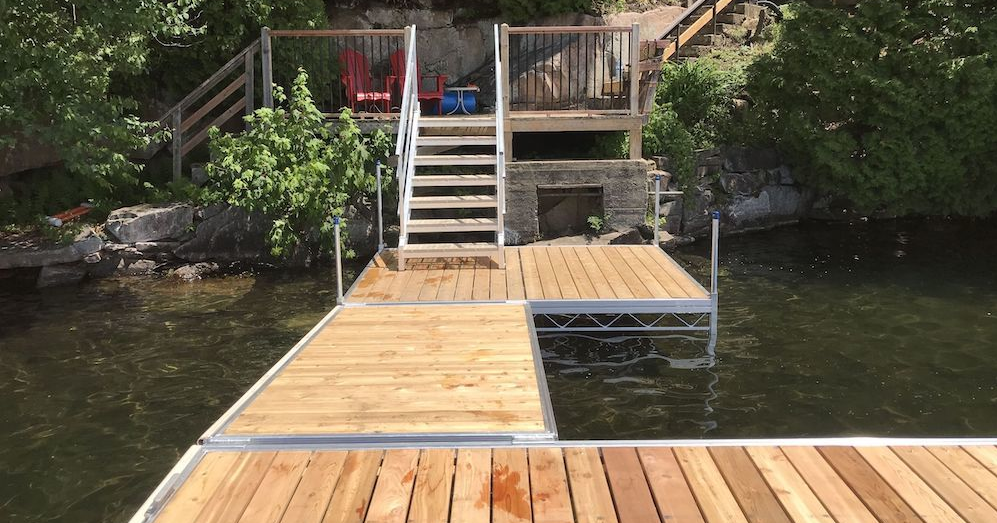
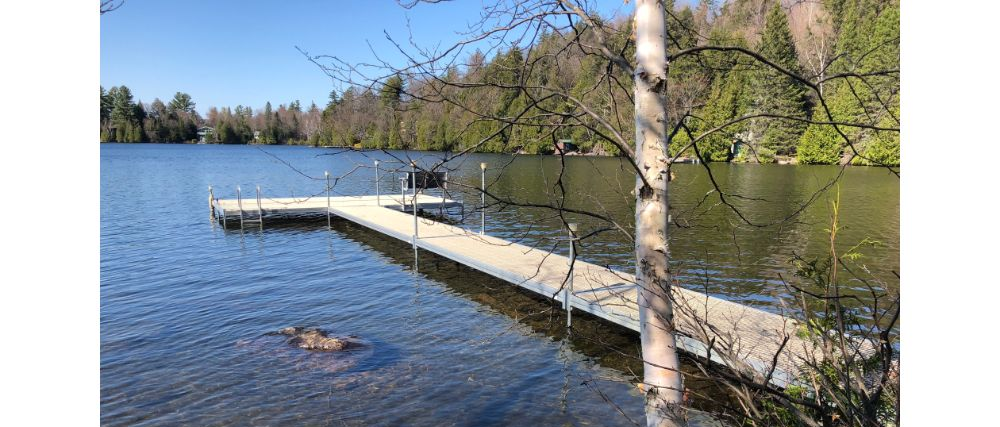
Stationary docks are secured to the bottom of the waterway and provide a stable, solid structure. They can be used for mooring watercraft, as well as for enjoying the waterfront, gathering with family and friends or taking part in various recreational activities.
Stationary docks, including post-mounted models, can be a good option when the water depth and bottom conditions allow for posts to be installed. They provide a fixed structure that remains in place throughout the season and can be configured according to the available space and intended use.
Floating dock versus stationary dock
| Criteria | Floating dock | Stationary dock |
|---|---|---|
| Water level | Adapts to changes in water levels. | Remains at a fixed height and may require adjustments when water levels fluctuate significantly. |
| Water depth | Can be a good option when water depth makes post installation difficult. | Suitable when the water depth and bottom conditions allow posts to be installed. |
| Stability | Provides a stable platform, but can be more affected by surface conditions and boat traffic. | Provides a fixed and stable structure. |
| Configuration | Sections can be assembled in different configurations. | Configuration is generally fixed once the posts are installed. |
| Moving and storage | Some models can be equipped with wheels to facilitate moving the dock. | Depending on the model and installation, it can be dismantled and stored during the off-season. |
| Installation | Can be a practical option when post installation is difficult. | Installation depends on bottom conditions and may require specialized equipment. |
| Use | Can be used for mooring, swimming and various recreational activities. | Suitable for mooring and can also provide a gathering space by the water. |
Which dock is right for your situation?
There is no single type of dock that is right for every property. The choice depends primarily on the characteristics of your waterfront, water depth, water-level fluctuations, the number and type of watercraft and how you plan to use the dock.
A floating dock may be a good option when water levels fluctuate or when conditions make post installation more difficult. A stationary dock may be suitable when the bottom and water depth allow for a fixed installation and you are looking for a stable structure that remains in place throughout the season.